
From Uganda to Your Cup: The Art of Importing Green Coffee Beans
Introduction to Ugandan Coffee
Uganda, often overshadowed by its more famous coffee-producing neighbors, is a hidden gem in the world of coffee. Known for its unique, rich flavors, Ugandan coffee has been gaining recognition globally. This blog post delves into the journey of importing green coffee beans from Uganda to your cup, highlighting the art and effort involved in this complex process.
The Unique Terroir of Uganda
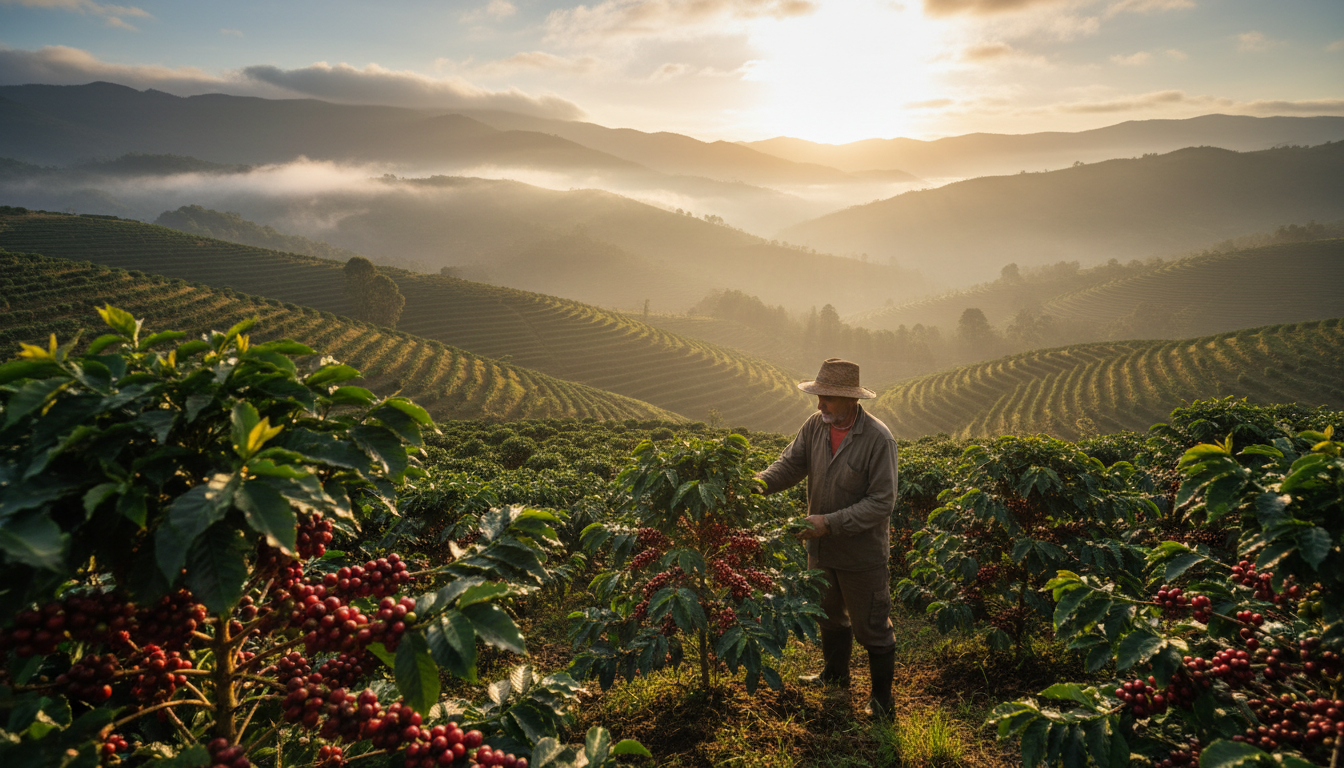
Uganda's diverse climate and fertile soil contribute to the distinct profiles of its coffee. The country's high-altitude regions, such as Mount Elgon and the Rwenzori Mountains, provide optimal conditions for growing Arabica coffee. Meanwhile, the lower altitude regions are ideal for Robusta, which is native to Uganda. This diversity results in beans with unique flavor profiles, ranging from fruity and floral to bold and earthy.
Understanding the terroir is crucial for importers. It allows them to select beans that will resonate with different consumer preferences. Importers often seek out specific regions to ensure a consistent and high-quality product.
The Process of Importing Green Coffee Beans
Importing green coffee beans from Uganda involves several critical steps. First, importers establish relationships with local farmers and cooperatives. These partnerships ensure a steady supply of high-quality beans and often focus on sustainable practices.

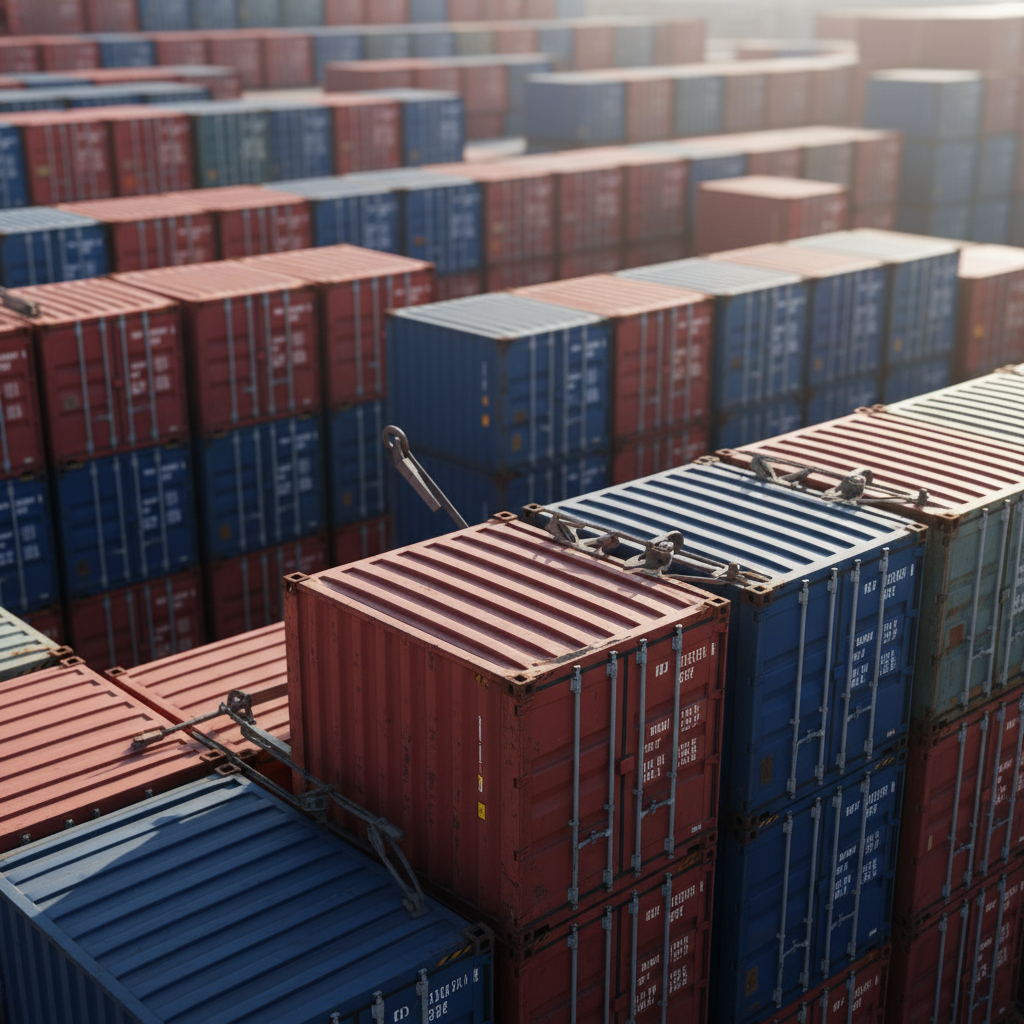
Once the beans are sourced, they undergo a meticulous sorting and grading process. This step is crucial as it determines the quality and price of the beans. After grading, the beans are meticulously packed and shipped to their destination. The entire process requires precision and care to maintain the beans' quality during transit.
Challenges in Importing Ugandan Coffee
While the potential for unique flavors is high, importing coffee from Uganda is not without challenges. Infrastructure issues can complicate transportation from remote farming areas to ports. Additionally, political and economic instability can impact trade dynamics.
Importers must navigate these challenges by working closely with local partners and staying informed about the political climate. This ensures a smooth supply chain and helps in maintaining a consistent quality of coffee.
The Impact of Fair Trade Practices
Many importers prioritize fair trade practices to support Ugandan farmers. Fair trade ensures that farmers receive a fair price for their coffee, which can lead to improved living conditions and sustainable farming practices. This ethical approach not only benefits the farmers but also appeals to consumers who are increasingly concerned about the origins of their coffee.
By investing in fair trade, importers contribute to the economic development of Ugandan communities, fostering long-term relationships and ensuring a reliable supply of quality coffee beans.
From Bean to Cup: The Final Journey
Once the green coffee beans arrive at their destination, they undergo roasting, a crucial process that unlocks their full flavor potential. Roasters experiment with different profiles to highlight the unique attributes of Ugandan coffee.

The final product, a cup of Ugandan coffee, is a testament to the dedication of everyone involved in its journey. From the farmers tending the coffee plants to the roasters perfecting their craft, each step is vital in bringing the rich flavors of Uganda to coffee lovers around the world.
Conclusion
Importing green coffee beans from Uganda is an art that involves understanding the unique terroir, navigating logistical challenges, and supporting ethical practices. As Ugandan coffee continues to gain popularity, its journey from farm to cup remains a remarkable testament to the global coffee industry's complexity and beauty.