
How Logistics Support Enhances Coffee Bean Imports in Lexington


The Role of Logistics in Coffee Bean Imports
Lexington has seen a surge in coffee culture, with numerous cafes and specialty shops popping up across the city. At the heart of this trend is the import of high-quality coffee beans. Effective logistics support plays a crucial role in ensuring these beans reach the local market efficiently and in optimal condition.
Logistics support involves a complex network of operations that includes transportation, warehousing, and distribution. Without a streamlined logistics process, coffee imports could face delays, affecting the supply chain and ultimately impacting business operations and customer satisfaction.

Efficient Transportation Solutions
One of the primary components of logistics support is transportation. The journey of coffee beans from international farms to Lexington involves multiple stages. Logistics providers must ensure that transportation is both timely and reliable. This often involves coordinating with sea freight services for international shipping, followed by trucking services to deliver the beans to local warehouses.
By leveraging advanced tracking technologies, logistics companies can monitor shipments in real-time, ensuring that any potential delays are addressed promptly. This transparency allows importers to maintain consistent inventory levels and meet consumer demand effectively.
Strategic Warehousing and Storage
Proper warehousing is essential for preserving the quality of coffee beans. Logistics support includes the management of storage facilities that maintain the ideal conditions for coffee beans, such as temperature and humidity control. This ensures that the beans retain their freshness and flavor during storage.
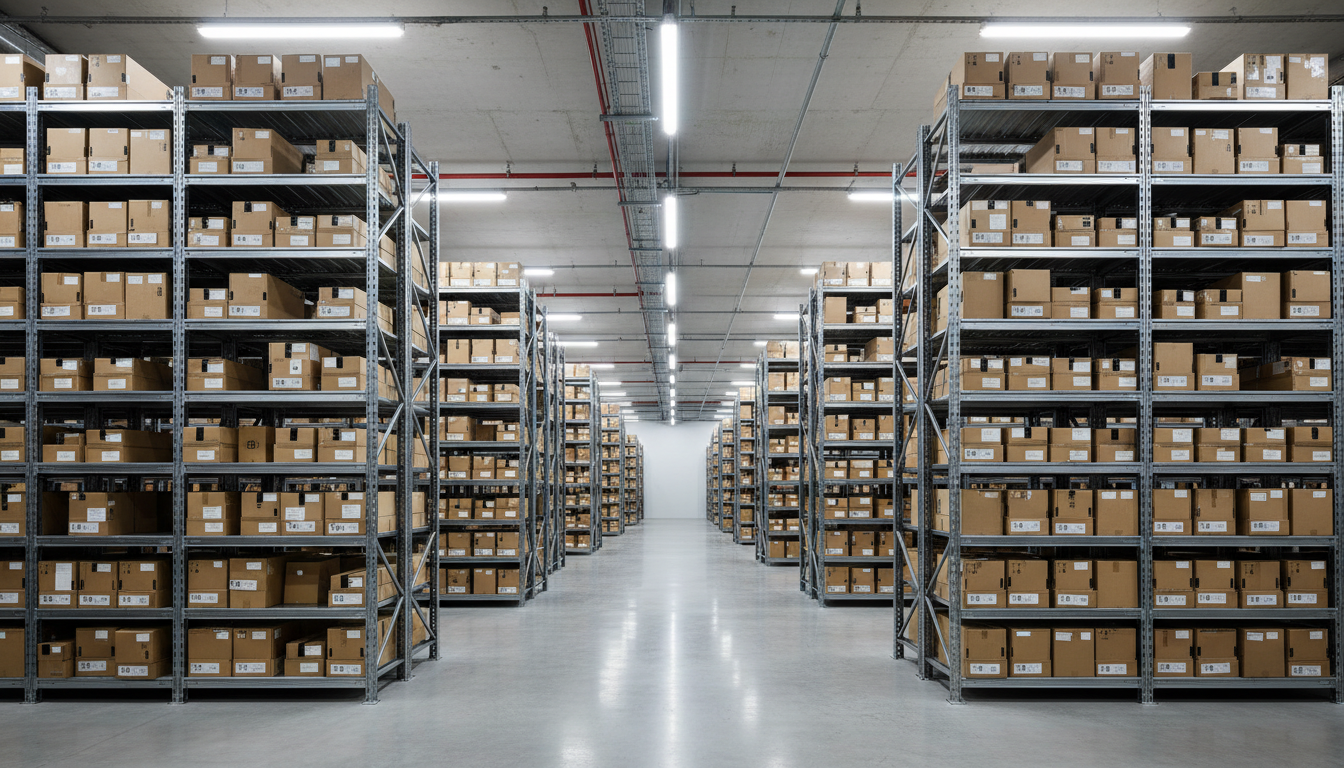
Furthermore, strategic warehouse locations across Lexington can significantly reduce transportation time, enabling faster delivery to retailers and cafes. This localized approach to storage is a key factor in enhancing the overall efficiency of the supply chain.
Optimized Distribution Networks
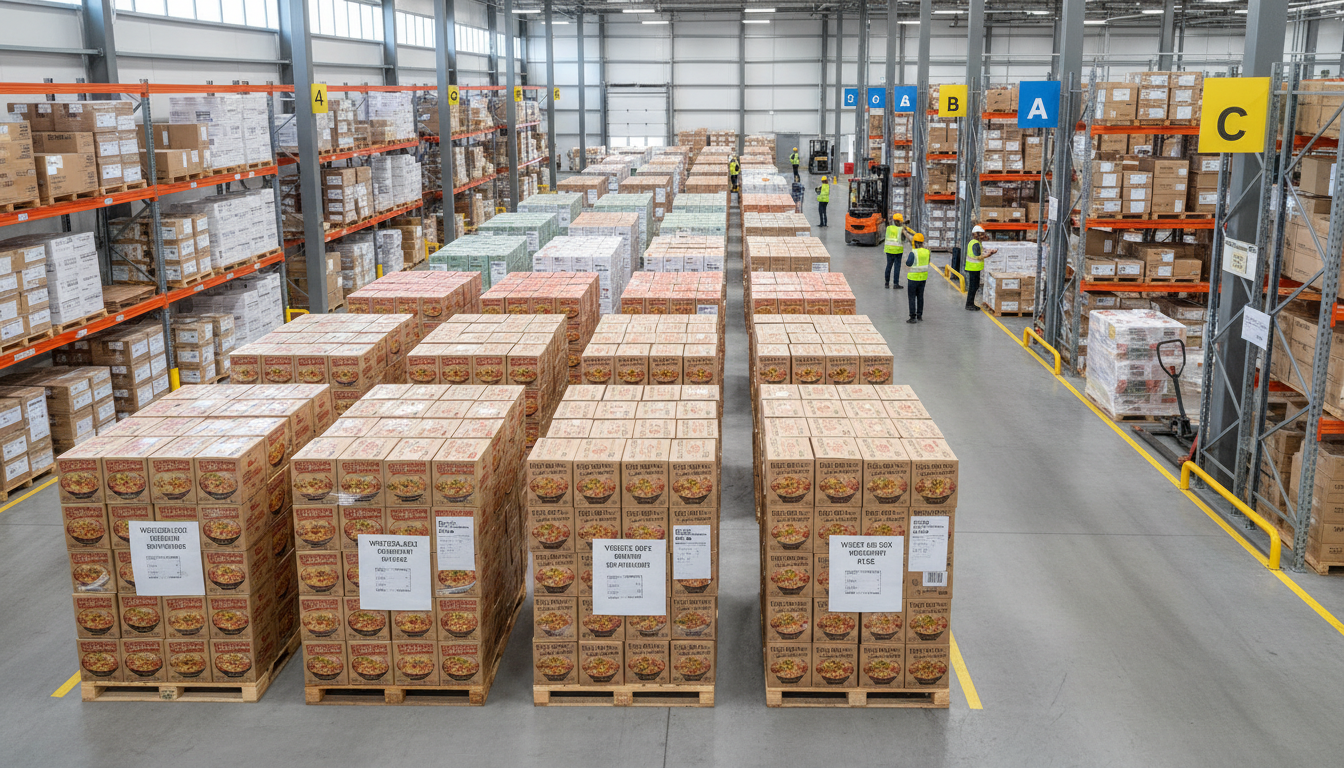
Distribution is the final stage in the logistics process, where coffee beans are delivered to various retailers and cafes. An optimized distribution network is crucial to ensure timely deliveries and minimize transportation costs. Logistics providers often employ route optimization software to determine the most efficient delivery paths, reducing fuel usage and transit time.
Additionally, a well-planned distribution network allows for flexibility and scalability, accommodating fluctuations in market demand and ensuring that businesses in Lexington have consistent access to high-quality coffee beans year-round.
Technology and Automation in Logistics
The integration of technology and automation has revolutionized logistics support for coffee bean imports. From automated inventory management systems to blockchain technology for traceability, these advancements provide enhanced control over the supply chain.
Such innovations not only improve operational efficiency but also offer importers and retailers valuable insights into consumer trends and preferences, allowing them to adjust their strategies accordingly.
The Impact on Lexington's Coffee Scene
The seamless logistics support for coffee bean imports has a direct impact on Lexington's thriving coffee culture. By ensuring a steady supply of premium beans, logistics providers enable local businesses to offer diverse and high-quality coffee options to their customers.
This not only enhances the consumer experience but also contributes to the growth of the local economy, as more coffee enthusiasts flock to Lexington to explore its vibrant café scene.
In conclusion, logistics support is a vital component in the successful importation of coffee beans into Lexington. Through efficient transportation, strategic warehousing, optimized distribution, and technological advancements, logistics providers ensure that the city's coffee scene continues to flourish.